Table of Contents

Breast Reconstruction Options with Autologous Fat Grafting

Our fat grafting in Los Angeles and Calabasas, sometimes referred to as a “fat transfer” procedure, can help with breast reconstruction in Los Angeles in several ways, giving Dr. Srinivasa the ability to create results that align perfectly with your cosmetic goals and aesthetic aspirations. When used alongside an implant, this technique can give Dr. Srinivasa an increased level of control over the final result and enables her to create a breast mound that feels natural to the touch while still increasing the size of your bust. To learn more about how fat grafting with implants can help you, contact our Los Angeles or Thousand Oaks locations and schedule your consultation today.

What Is Fat Grafting?

Fat grafting, also known as autologous fat transfer, is an advanced reconstructive technique that uses a patient's own fat cells to restore volume, improve contour, and create more natural-looking breast reconstruction results. During the procedure, excess fat is carefully removed from areas such as the abdomen, thighs, flanks, or hips through liposuction. The harvested fat is then purified and strategically injected into the breasts to enhance shape, correct irregularities, and improve symmetry.

Unlike synthetic implants or fillers, fat grafting utilizes your body's own tissue, making it a highly biocompatible option with minimal risk of allergic reaction or rejection. Fat transfer can be performed as a standalone procedure in select patients or combined with implant-based or flap reconstruction to refine and optimize results.

For many patients seeking fat grafting in Los Angeles, the procedure offers a natural way to restore breast volume while simultaneously contouring unwanted fat from other areas of the body. The result is a softer, more natural feel and appearance that closely resembles native breast tissue.


Banner media

Benefits of Autologous Fat Grafting

Autologous fat grafting, known as fat transfer, offers several benefits for individuals seeking natural enhancement and rejuvenation. These benefits include:

  • Natural-looking results: Using your own fat allows for smoother, softer, and more natural-feeling enhancements compared to synthetic fillers.
  • Minimal risk of allergic reactions: Since the material used is from your body, there's no risk of allergic reactions or rejection.
  • Dual benefits of contouring: Fat is typically harvested from areas like the abdomen, thighs, or flanks, providing the added benefit of body contouring in those areas.
  • Long-lasting results: With proper care, a significant portion of the transferred fat can survive, offering longer-lasting results than many temporary fillers.
  • Versatile treatment: Autologous fat grafting can be used to enhance facial features, rejuvenate hands, or even improve volume in areas such as the breasts or buttocks.
  • Minimally invasive: It’s less invasive than traditional surgery for volume restoration or enhancement, making it an appealing option for those looking for minimal downtime.
Branding media

Who Is a Good Candidate for Fat Grafting?

Fat grafting can be an excellent option for many breast reconstruction patients seeking a natural enhancement or refinement of their results. Ideal candidates typically include:

Women Following Mastectomy or Lumpectomy

Patients who have undergone breast cancer treatment often use fat grafting to restore volume, improve contour, and address areas of tissue deficiency following surgery.

Patients Seeking More Natural Reconstruction Results

Fat transfer can help create a softer appearance and feel compared to reconstruction that relies solely on implants.

Implant Reconstruction Patients

Individuals with implant-based reconstruction may benefit from fat grafting to camouflage implant edges, reduce rippling, and improve overall breast shape.

Patients with Breast Asymmetry

Fat grafting can be used to correct volume differences between the breasts and create greater balance and symmetry.

Patients with Contour Irregularities

Following reconstruction, some patients develop areas of indentation or unevenness. Fat transfer can smooth these areas and improve overall aesthetics.

Patients with Adequate Donor Fat

Candidates must have sufficient excess fat available in donor areas such as the abdomen, thighs, flanks, or hips to achieve their desired outcome.

During your consultation, Dr. Srinivasa will evaluate your anatomy, medical history, reconstructive goals, and available donor fat to determine whether fat grafting is the right approach for you.

Background media
Successful Fat grafting breast reconstruction patient in Los Angeles

When Should I Consider Fat Grafting?

Fat grafting is ideal for patients who are interested in adjusting or augmenting the size of their breasts, or who are interested in restoring their bust after a mastectomy but would prefer to do this without the sole use of an artificial implant. Fat grafting is an impressively versatile technique and can be used in a number of different scenarios.

  • Fat grafting can be combined with implant placement to create a much more natural and softer breast mound, while still increasing the cup size (which is not an option with purely autologous reconstruction).
  • If a patient wishes to avoid the placement of an implant altogether, fat grafting is a great option.
  • The risks of complications are severely limited, as this procedure utilizes your very own fat cells, making it completely safe.
  • Patients especially love the fact that this procedure tightens and tones the donor site, making it a “two-for-one” treatment that creates impressively high patient satisfaction rates.

Candidate for Breast Reconstruction with Fat Grafting

  • Individuals Seeking Natural Results: Those who prefer a more natural look and feel to their reconstructed breasts, as fat grafting uses the patient’s own tissue.
  • Patients Post-Mastectomy or Lumpectomy: Women who have undergone mastectomy or lumpectomy and wish to restore breast volume or contour.
  • Adequate Fat Reserves: Candidates must have enough excess fat in other areas of the body, such as the abdomen, thighs, or flanks, to harvest for the grafting procedure.
  • Good Overall Health: Patients should be in good general health, without conditions that could impair healing, such as uncontrolled diabetes or active infections.
  • Non-Smokers or Willing to Quit: Smoking can affect healing and the success of fat grafting, so candidates should either be non-smokers or willing to stop smoking before and after the procedure.
  • Realistic Expectations: Ideal candidates have a clear understanding of the procedure and realistic expectations regarding the results, including the possibility of needing additional sessions to achieve the desired outcome.
Branding media

How Fat Grafting Works for You

The fat grafting procedure is relatively simple and can be performed on an outpatient procedure by itself. If you’re going to have fat grafting performed alongside another breast reconstruction procedure, Dr. Srinivasa will talk you through the specifics of your surgery and will help you anticipate exactly what you should expect.

The procedure begins with liposuction being used to remove extra fat cells from the donor site. Most patients opt to use an area like the buttocks, tummy, flanks, or thighs as their donor site. These areas typically have fat cells to spare, and patients frequently enjoy seeing the donor area toned and tightened as a result.

Once the fat cells have been extracted, they’ll be purified and made safe to be injected into the treatment area. Dr. Srinivasa will then carefully inject the extracted fat according to a predetermined pattern, enabling her to create your ideal results. You’ll be able to return home the same day.

Banner media

Fat Grafting vs. Breast Implants

Both fat grafting and breast implants can play important roles in breast reconstruction, but they achieve results in different ways.

Fat Grafting

Fat grafting uses your own tissue to restore volume and improve breast contour. Because the transferred fat becomes living tissue within the breast, the results often feel exceptionally natural.

Benefits of fat grafting include:

  • Uses your body's own tissue
  • Creates soft, natural-feeling results
  • No risk of implant-related complications
  • Improves contour and symmetry
  • Provides body contouring benefits through liposuction
  • Breast Implants

Implants use silicone or saline devices to restore breast volume and projection. They can provide a greater increase in breast size than fat grafting alone and are often a good option for patients seeking more significant volume restoration.

Benefits of implants include:

  • Larger volume enhancement
  • Predictable sizing
  • Single-stage reconstruction options for some patients
  • Widely used and well-established reconstructive technique

Which Option Is Right for You?

Many patients benefit from combining both approaches. Fat grafting can enhance implant reconstruction by improving contour, softness, and overall aesthetics. During your consultation, Dr. Srinivasa will help determine the reconstruction strategy that best aligns with your goals.

Branding media

Recovering and Enjoying Your Results in Los Angeles and Calabasas

In most cases, fat grafting only takes between an hour and two hours to perform. After your fat grafting procedure, you’ll have to rest and recover for a short period of time. You’ll have relatively small incisions where liposuction was performed on the donor site, and Dr. Srinivasa will give you detailed aftercare instructions. You will also schedule follow-up appointments to ensure that you’re healing properly. Given that this procedure is relatively minimally invasive, your recovery period won’t be too extensive, and most patients are back to their normal routines within two to three weeks of their fat grafting procedure.

When you’re ready to learn more about how fat grafting can help you by restoring your bust and enabling you to once more enjoy your ideal silhouette, the Institute for Advanced Breast Reconstruction is here to help. We offer a number of exciting breast reconstruction procedures alongside fat grafting and are excited to guide you on the important final steps of your journey to true wellness. To get started, reach out and set up your consultation for breast reconstruction through fat grafting in Los Angeles or at our Thousand Oaks location today.

Branding media

Other Breast Reconstruction with Implant Procedures

Other Breast Reconstruction Procedures

Fat Grafting vs. DIEP Flap Reconstruction

Both fat grafting and DIEP flap reconstruction use a patient's own tissue, making them attractive options for women seeking natural breast reconstruction results. However, each procedure serves a different purpose.

Fat Grafting

Fat grafting transfers purified fat cells from one area of the body to another. It is ideal for refining breast shape, correcting contour irregularities, improving symmetry, and adding modest volume.

Fat grafting may be recommended for:

  • Small volume restoration
  • Refinement after reconstruction
  • Correction of contour defects
  • Improving implant-based reconstruction results

DIEP Flap Reconstruction

DIEP flap reconstruction uses skin and fat from the lower abdomen to create an entirely new breast mound. It is often recommended for patients seeking comprehensive breast reconstruction without implants.

DIEP flap reconstruction may be appropriate for:

  • Complete breast reconstruction following mastectomy
  • Patients seeking larger volume restoration
  • Women who prefer autologous reconstruction without implants
  • Patients with sufficient abdominal tissue
  • Combining DIEP Flap Reconstruction and Fat Grafting

Many patients achieve their best results by combining these procedures. Fat grafting is frequently used after DIEP flap reconstruction to fine-tune breast shape, improve symmetry, and enhance overall contour.

As a fellowship-trained microsurgeon specializing in advanced breast reconstruction, Dr. Srinivasa regularly incorporates fat grafting into comprehensive reconstructive treatment plans to help patients achieve the most natural and aesthetically pleasing outcomes possible.

Background media

Dr. Srinivasa's office staff helped me prepare for surgery, obtain insurance certification and explained where I should look for accommodations which would be most convenient.  My surgery went very well, I had an excellent experience from the hospital stay to my clinic visits with Dr. Srinivasa.  I returned 9 months later for my revision (scar revision and fat grafting) and had another wonderful experience.  I did have an issue with my initial surgical wound healing (a possible side effect which can occur with any abdominal surgery) which she repaired beautifully at the revision.  She was willing to move up my revision to repair it sooner and was available to talk to on the phone and asked me to send her photos and was very reassuring.  I have experienced several different surgeons, and I can attest that she is the only one who responds so personally and promptly.  As a patient, that is appreciated beyond words.

by Valerie

View All Testimonials
Doctor media

Why Choose Dr. Srinivasa for Fat Grafting Breast Reconstruction?

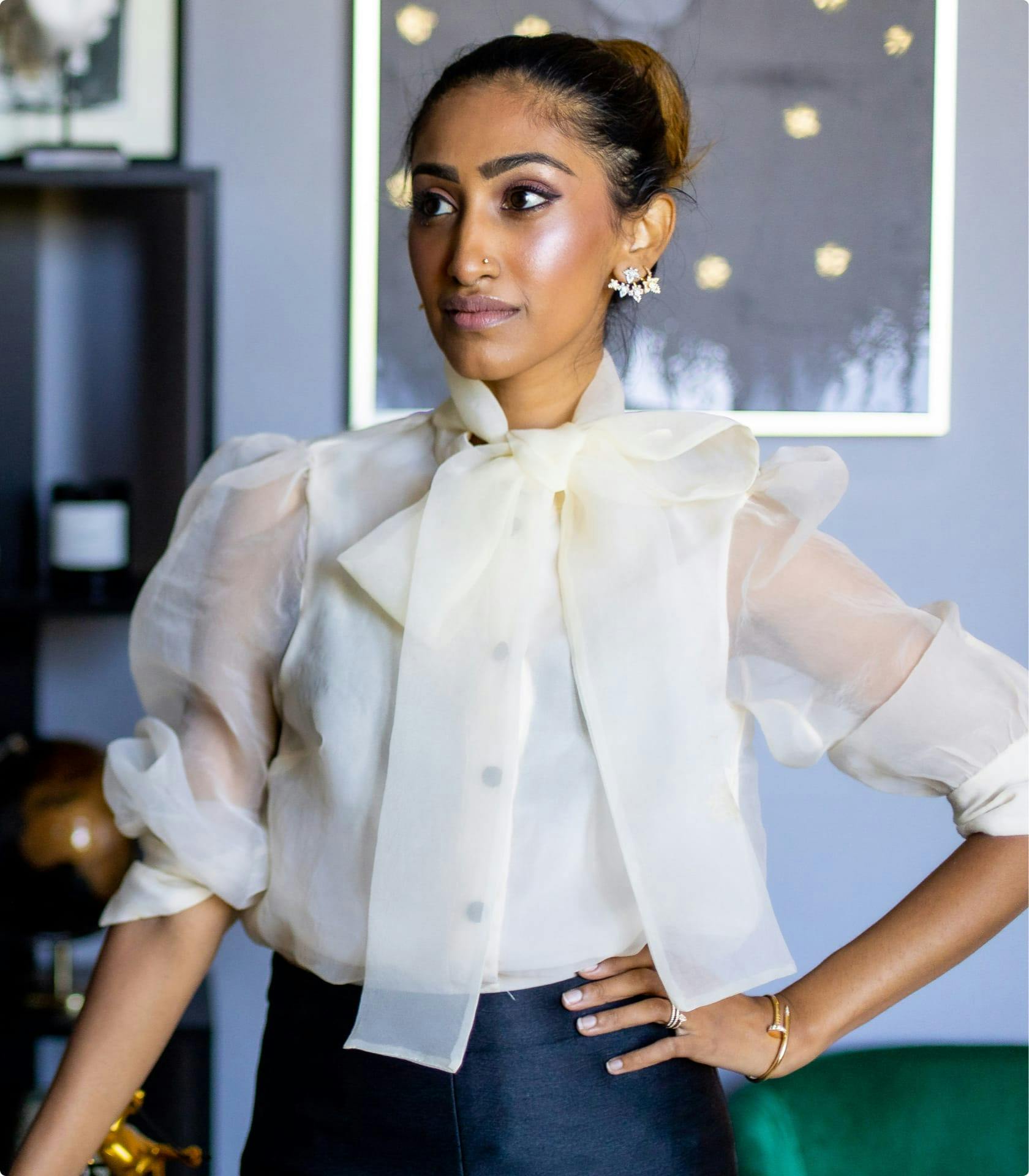
Fat grafting breast reconstruction requires both surgical precision and a deep understanding of natural anatomy—qualities Dr. Dhivya Srinivasa brings to every procedure. As a board-certified plastic and reconstructive surgeon with advanced fellowship training in microsurgery, Dr. Srinivasa expertly blends technical skill with artistic vision to restore soft, symmetrical, and natural-looking breast contours.

She specializes in advanced breast reconstruction techniques, including fat transfer procedures that use your own body’s tissue to enhance volume, correct asymmetries, or refine the results of previous reconstruction. Dr. Srinivasa’s patient-centered approach means she carefully tailors each treatment plan to your unique goals and anatomy, prioritizing safety, comfort, and aesthetic harmony.

Widely recognized for providing some of the best fat grafting in Los Angeles and Calabasas, Dr. Srinivasa and the team at the Institute for Advanced Breast Reconstruction are committed to helping you feel confident, empowered, and truly at home in your body.

Autologous Fat Grafting FAQs

How much of the transferred fat typically survives after the procedure?

Can fat grafting be used to correct asymmetry or scars?

Is there a limit to how much fat can be transferred in one session?

Can I lose the results of my fat grafting if I gain or lose weight?

How does the recovery compare to other enhancement procedures, such as fillers or implants?

How many treatments are required?

How much of the transferred fat typically survives after the procedure?

After fat transfer, around 50% to 80% of the injected fat usually survives, depending on individual factors and the surgeon’s technique. Your body naturally absorbs a portion of the fat, and the remaining fat that integrates with your tissues can provide long-lasting volume enhancement.

Can fat grafting be used to correct asymmetry or scars?

Yes, autologous fat grafting is often used to correct facial or body asymmetry and improve the appearance of scars. The transferred fat can fill in depressions, smooth out irregularities, and create more balanced contours.

Is there a limit to how much fat can be transferred in one session?

There is a limit to how much fat can be safely transferred in a single session. Your surgeon will assess the amount of harvestable fat and the desired enhancement area to ensure a natural, safe result without overfilling.

Can I lose the results of my fat grafting if I gain or lose weight?

Significant weight gain or loss can affect the results of fat grafting. Because the transferred fat cells behave like any other fat in your body, they can expand with weight gain or shrink with weight loss, impacting the outcome.

How does the recovery compare to other enhancement procedures, such as fillers or implants?

Recovery from autologous fat grafting can take longer than fillers but is generally quicker than implants. Swelling, bruising, and tenderness are common in both the fat harvest and injection areas. However, the natural look and feel of the results, along with the dual benefit of contouring, make the slightly longer recovery worthwhile for many patients.

How many treatments are required?

The number of treatments needed varies by procedure. Some treatments, such as injectables like BOTOX or dermal fillers, may only require one session, while others like laser treatments, body sculpting, or skin rejuvenation procedures might need multiple sessions over a few months to achieve optimal results.

The longevity of results depends on the type of treatment. BOTOX results typically last 3-4 months, while dermal fillers may last 6-18 months, depending on the product and area treated. More permanent solutions, like surgical procedures, can last for years, although the natural aging process will continue.

Many treatments are designed to be minimally invasive and come with little discomfort. For injectables, patients may feel a slight pinch or sting. Laser treatments and some body contouring procedures may cause mild discomfort but are generally well-tolerated. Pain can often be managed with numbing creams, local anesthesia, or other pain management options provided by the practitioner.

Logo media

Schedule a Consultation

Take the final steps on your road to recovery.

Contact Us
Accessibility: If you are vision-impaired or have some other impairment covered by the Americans with Disabilities Act or a similar law, and you wish to discuss potential accommodations related to using this website, please contact our Accessibility Manager at (818) 654-4933.
Contact Us
X News & Media

News & Media

View All